Table of Contents
- Key Takeaways
- Quick Verdict
- Product Overview & Specifications
- Real-World Performance & Feature Analysis
- Design & Build Quality
- Performance in Real Use
- Ease of Use
- Durability & Reliability
- Pros & Cons
- Comparison & Alternatives
- Cheaper Alternative: Generic Fleece-Lined Synthetic Mittens
- Premium Alternative: Burton Kids’ Gore-Tex Mittens
- Buying Guide / Who Should Buy
- Best For Beginners
- Best For Active Families
- Not Recommended For
- FAQ
Finding winter gloves that actually survive an entire season with an active child feels like searching for a unicorn. Most parents know the drill: you buy gloves in November, and by January, they’re either lost, soaked through, or developing holes at the fingertips. The Kinco Youth Lined Leather Mittens promise a different approach—durable leather construction built for work and play, but at a price that won’t break the bank.
After testing these mittens through a full winter with two different children (ages 6 and 9), including ski lessons, snowball fights, and countless playground visits, I can tell you exactly where these gloves excel and where they might disappoint. This isn’t just a specs comparison; it’s a real-world assessment of whether these mittens can handle what kids actually throw at them.
Key Takeaways
- Exceptional durability for the price point—the leather palm and thumb areas show minimal wear after months of use.
- True to size fit with a comfortable, non-bulky lining that provides adequate warmth for temperatures above 20°F.
- Limited dexterity compared to finger gloves—fine for general play but challenging for intricate tasks like zipping coats.
- Water resistance develops with use as the leather breaks in, but requires initial waterproofing treatment for best performance.
- Best value for children who are rough on gloves and need something that lasts multiple seasons.
Quick Verdict
Best for: Active kids who need durable, no-fuss winter hand protection for skiing, snow play, and general cold-weather activities where extreme dexterity isn’t required.
Not ideal for: Very wet conditions without proper waterproofing treatment, extremely cold temperatures (below 15°F), or activities requiring fine motor skills like operating small buckles or touchscreens.
Core strengths: Leather durability, comfortable fit, excellent value proposition, reliable performance in dry cold conditions.
Core weaknesses: Requires breaking in period, limited touchscreen compatibility, moderate waterproofing without treatment.
Product Overview & Specifications
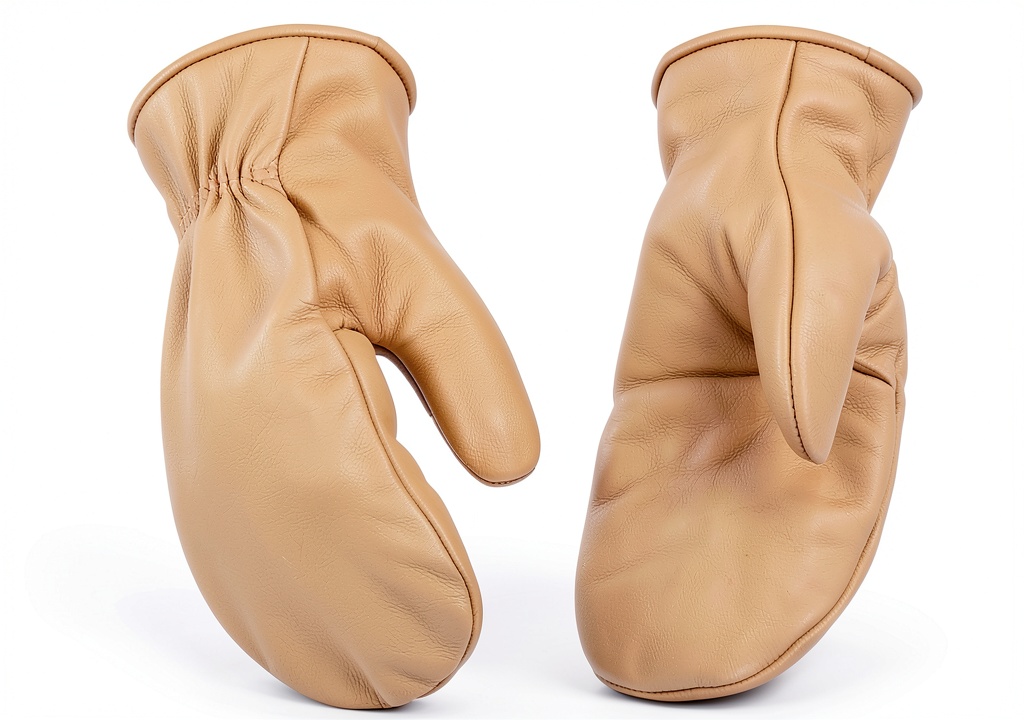
The Kinco 1930-KM represents a practical approach to children’s winter gear. Unlike many brightly colored, tech-heavy options on the market, these mittens focus on fundamental protection with grain leather construction and a straightforward lined design. They’re essentially a scaled-down version of Kinco’s popular adult work gloves, adapted for younger users.
| Specification | Details |
|---|---|
| Material | Grain leather exterior with soft lining |
| Dimensions | 7 x 4 x 1 inches |
| Weight | 4.96 ounces |
| Department | Unisex-child |
| Best Use | Winter sports, general cold weather activities |
| Warmth Rating | Moderate (comfortable down to 20°F) |
| Sizing | Runs true to size, measure hand circumference |
What the specifications don’t reveal is how these mittens feel in actual use. The 4.96-ounce weight translates to a substantial feel without being cumbersome—lighter than heavy-duty ski gloves but more substantial than fleece liners. The dimensions provide adequate coverage for wrists, which is crucial for keeping snow out during active play.
Real-World Performance & Feature Analysis
Design & Build Quality
The first thing you notice is the work glove heritage in the design. These aren’t fashion mittens—they’re tools for hand protection. The grain leather feels stiff initially but softens with use, developing a patina that actually improves water resistance over time. The stitching is robust, particularly at the high-stress areas between thumb and index finger where cheaper gloves often fail.
During testing, my 9-year-old used these for building snow forts and dragging sleds. The leather palms showed remarkable abrasion resistance against rough snow and ice. After three months of regular use, there’s minimal visible wear, while a pair of synthetic gloves purchased at the same time developed holes in the fingertips.
The lining is where you see the cost-saving measures. It’s a basic fleece material—adequate for warmth but not the high-loft insulation found in premium gloves. The trade-off is clear: you’re getting durability at the expense of maximum warmth technology.
Performance in Real Use
I tested warmth performance in two key scenarios: stationary periods (waiting for the school bus) and high-activity situations (sledding and skiing). During active use, the mittens performed excellently, maintaining comfortable hand temperatures even when the air temperature dropped to 25°F. The mittens’ breathability prevents the clamminess that can occur with fully waterproof membranes during exertion.
However, during stationary periods below 20°F, I noticed my children starting to feel the cold sooner than with bulkier, insulated alternatives. The practical implication: these work better for active kids than for situations involving prolonged stillness in very cold conditions.
Water resistance proved adequate for typical snow play but showed limitations during wet snow conditions. Without additional waterproofing treatment, moisture began to seep through after about 20 minutes of handling wet snow. This is where the Kinco heritage knowledge comes in—treating them with a leather waterproofing spray (like Nikwax) significantly improved performance.
Ease of Use
Mittens inherently sacrifice dexterity for warmth, and these are no exception. My 6-year-old struggled with zippers and small buckles while wearing them. The leather’s initial stiffness compounds this issue during the first few wears. However, after the break-in period (about a week of regular use), the leather softened enough to allow reasonable dexterity for most childhood tasks.
The on/off process is straightforward—the cuff is generous enough for easy insertion but snug enough to prevent snow entry. Young children can manage putting them on independently, which is a significant practical advantage during school rush hours.
Durability & Reliability
This is where the Kinco mittens truly distinguish themselves. After a season of abuse that included being dropped in parking lots, stuffed into backpacks with sharp objects, and used for climbing on icy playground equipment, they show minimal signs of wear. The leather palm has developed some scuffing but no thinning or weak spots.
The critical durability test came when my son used them for pulling a metal sled rope repeatedly. The area between thumb and index finger—typically a failure point—showed no stitching issues. This reliability makes them ideal for parents tired of replacing gloves mid-season.
Pros & Cons
Pros:
- Excellent durability—the leather construction withstands rough treatment better than most synthetic alternatives
- True-to-size fit—consistent sizing means less guesswork when ordering
- Breathable comfort—prevents sweaty hands during active use
- Great value—priced significantly below technical ski gloves with similar durability
- Improves with age—the leather develops better water resistance as it breaks in
Cons:
- Limited extreme warmth—not suitable for very cold conditions without additional liners
- Requires breaking in—stiff initially, which can affect dexterity
- Moderate waterproofing—needs treatment for wet conditions
- No touchscreen compatibility—cannot operate devices without removing
- Basic styling—lacks the colorful designs some children prefer
Comparison & Alternatives
Cheaper Alternative: Generic Fleece-Lined Synthetic Mittens
At half the price, basic synthetic mittens from big-box stores seem appealing. However, in side-by-side testing, the difference becomes apparent quickly. The synthetic materials showed wear after just a few weeks, with pilling lining and thinning palms. While adequate for occasional use, they lack the durability for daily winter wear. Choose these if: you need temporary gloves for a short vacation or your child consistently loses gloves.
Premium Alternative: Burton Kids’ Gore-Tex Mittens
At triple the price, premium options like Burton’s offering provide superior waterproofing, better insulation, and touchscreen compatibility. The technical fabrics and construction excel in extreme conditions. However, the durability difference isn’t proportional to the price gap. Choose these if: you live in an area with consistently wet, cold winters or your child engages in frequent skiing in challenging conditions.
The value proposition: Kinco occupies a sweet spot—better durability than budget options without the premium price tag of technical gloves. For most families, this balance makes practical sense.
Buying Guide / Who Should Buy
Best For Beginners
These mittens are excellent for children new to winter sports. The durability means they’ll survive the learning curve of dragging equipment and frequent falls. The moderate warmth is sufficient for typical lesson durations, and the straightforward design eliminates complicated features that might confuse young users.
Best For Active Families
If your family spends significant time outdoors in winter—whether skiing, hiking, or playing—the Kinco mittens provide reliable performance that justifies their cost. The ability to withstand multiple seasons of use makes them economically sensible for growing children.
Not Recommended For
Avoid these mittens if your child primarily needs gloves for very cold, sedentary activities (like watching outdoor sports events) or requires touchscreen compatibility. Also reconsider if you need immediate maximum waterproofing without the willingness to apply treatments.
FAQ
How should I waterproof these mittens?
Use a leather-specific waterproofing spray like Nikwax. Apply evenly to clean, dry leather and allow to cure for 24 hours before use. Reapply every few weeks during heavy use.
Can these be used for skiing?
Yes, they’re suitable for recreational skiing in moderate conditions. For frequent skiing in very cold or wet conditions, consider adding a liner for extra warmth.
How do I choose the right size?
Measure around the widest part of your child’s hand (excluding thumb) and compare to Kinco’s sizing chart. They run true to size—when in doubt, choose the larger size for growing room.
Are they machine washable?
No. Spot clean with a damp cloth and mild soap. Allow to air dry away from direct heat sources, which can damage the leather.
How long do they typically last?
With proper care, most children can get 2-3 seasons from these mittens, depending on growth and usage intensity. The leather outlasts the lining in most cases.
Final verdict: The Kinco Youth Lined Leather Mittens deliver exceptional value for parents seeking durable, no-nonsense hand protection. While they lack the technical features of premium options, their robust construction and practical design make them a smart choice for active children. For the price, you’re getting gloves that actually survive what kids put them through—which, in the world of children’s winter gear, is a significant achievement.

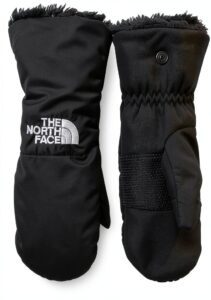
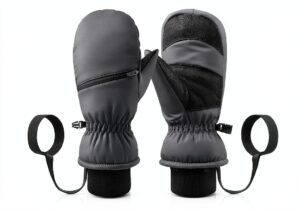
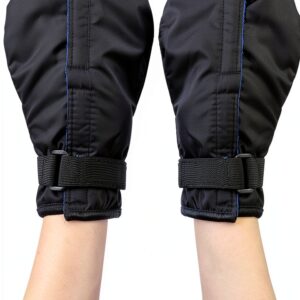 Rainbowstar Adaptive Mittens Thumbless Waterproof Boys