Table of Contents
- Key Takeaways
- Quick Verdict
- Product Overview & Specifications
- Real-World Performance & Feature Analysis
- Design & Build Quality: First Impressions
- Performance in Real Use: The Wet Test
- Ease of Use: The Parent-Friendliness Factor
- Durability & Reliability: How Do They Hold Up?
- Pros & Cons
- Comparison & Alternatives
- Cheaper Alternative: Basic Acrylic Mittens from Big-Box Stores ($10-$15)
- Premium Alternative: High-End Technical Ski Gloves (e.g., Burton, Hestra) ($50-$80)
- Buying Guide / Who Should Buy
- Best For:
- Not Recommended For:
- FAQ
It’s 17 degrees Fahrenheit, the snow is coming down sideways, and your 5-year-old has just face-planted into a snowbank for the third time. In that moment, only one thing matters: are their mittens actually waterproof? As parents who’ve endured more than our share of soggy, frozen-handed meltdowns (both the kids’ and our own), we know that finding truly reliable winter mittens is borderline survival gear.
The promise of “waterproof, windproof, and warm” is plastered on every package, but the reality often involves cold, wet hands and a prematurely ended snow day. We put the Kids Waterproof Ski Mittens with the anti-loss clip through the wringer—ski lessons, sledding marathons, and the ultimate test: prolonged snowman construction. Here’s what we found when the marketing meets the snow.
Key Takeaways
- Surprisingly effective waterproofing: The TPU lining held up against wet, packing snow significantly better than many budget options, keeping hands dry through an hour of active play.
- The anti-loss clip is a genuine game-changer: For parents of toddlers and forgetful kids, this simple feature eliminates the constant fear of losing a mitten, saving time, money, and sanity.
- Warmth is activity-dependent: The dual insulation provides solid warmth during high-energy activities like running and skiing, but may be insufficient for static play in sub-20°F temperatures without hand warmers.
- Consider the fit for layering: The elastic cuffs are snug, which is great for blocking wind but can make layering with thick base layers underneath challenging for some kids.
- Excellent value for frequent use: Priced in the mid-range, these mittens offer a solid balance of durability and features for families who regularly brave winter weather.
Quick Verdict
Best for: Parents of active toddlers and kids (ages 2-6) who need reliable, waterproof mittens for regular winter adventures like skiing, sledding, and park play. The anti-loss clip is a huge win for the pre-school and kindergarten crowd.
Not ideal for: Older kids (8+) who need a more technical, glove-like fit for precise gear handling, or for extremely cold climates (consistently below 15°F) where maximum insulation is the top priority.
Core Strengths: Genuine waterproof performance, thoughtful anti-loss design, good durability for the price, and a comfortable fit for small hands.
Core Weaknesses: The sizing can be restrictive for layering, and the warmth, while good, has its limits in severe cold without supplemental heat.
Product Overview & Specifications
These mittens are positioned as an all-around winter solution for children, focusing on the critical trio of waterproofing, warmth, and practicality. The design prioritizes keeping cold and moisture out while incorporating a feature parents will instantly appreciate: the anti-loss clip. Let’s break down the key specs.
| Feature | Specification | Why It Matters |
|---|---|---|
| Material | Nylon outer shell, Waterproof/Windproof TPU lining, Fleece & Thermal Cotton insulation | The TPU lining is the key to keeping water out, while the dual insulation traps heat without excessive bulk. |
| Sizes | X-Small, Small, Medium (approx. ages 2-8) | Covers the crucial years where kids are most active in snow but also most prone to losing gear. |
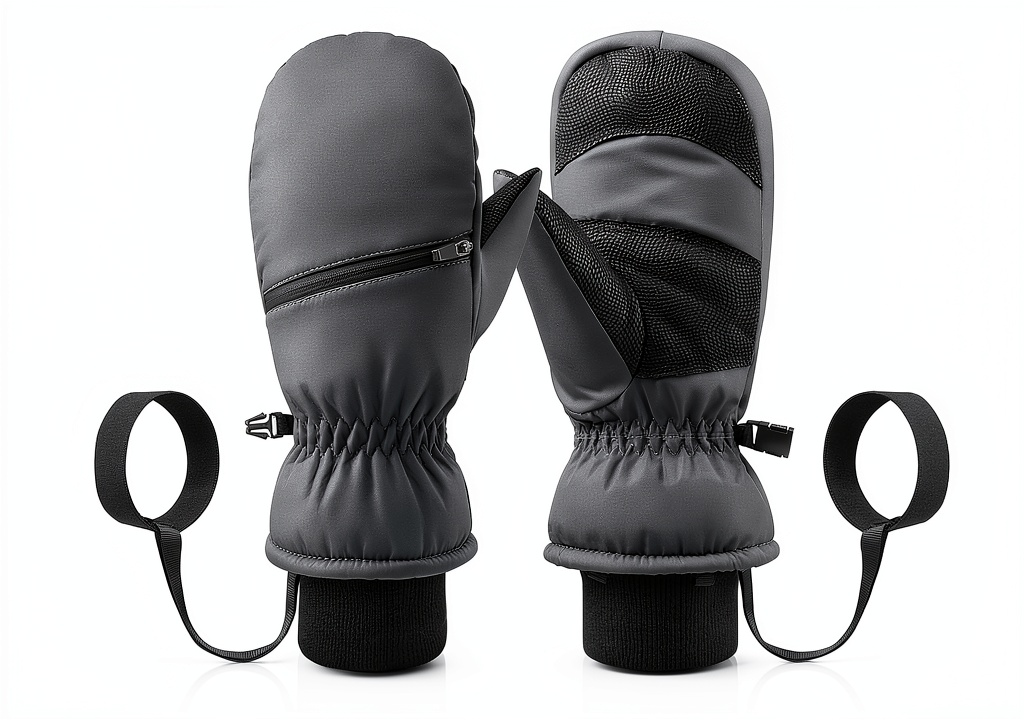
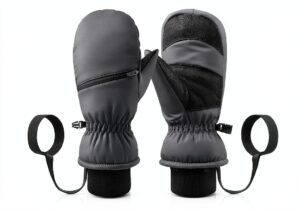
| Key Features | Anti-loss clip, Elastic cuffs, PU palm grip, Zippered pocket | The clip prevents loss, cuffs seal out snow, the grip aids in holding sleds/poles, and the pocket is for… well, kid treasures. |
| Best Use | Skiing, snowboarding, sledding, general snow play | Designed for active, wet conditions rather than just casual wear to and from school. |
| Price Point | Mid-range ($29-$35) | More expensive than big-box store basics, but more affordable than high-end technical brands. |
Real-World Performance & Feature Analysis
Design & Build Quality: First Impressions
Pulling these mittens out of the package, the first thing you notice is the robust feel. The nylon shell has a slight sheen and doesn’t feel thin or cheap. The stitching is even, and the PU palm material has a textured grip that’s noticeably more substantial than the fuzzy, non-grip palms on many basic mittens. The anti-loss clip is made of a sturdy plastic with a strong spring mechanism—it feels like it can withstand being clipped and unclipped repeatedly without breaking, a common failure point on cheaper models.
The elastic cuffs are tight, which is a double-edged sword. On a 4-year-old’s wrist, they create an excellent seal against snow ingress when building forts or tumbling in powder. However, for a child wearing a thick jacket or base layer with bulky cuffs, getting the mitten over the sleeve can be a struggle. This is a trade-off: superior snow blocking versus easier on/off.
Performance in Real Use: The Wet Test
We tested these during a weekend ski trip with wet, heavy snow—the kind that soaks through inferior mittens in minutes. The true test came during a 45-minute sledding session. Our tester (age 5) was in and out of the snow, grabbing sleds, making snowballs, and generally doing everything possible to get wet.
The result? Impressively dry hands. The TPU lining did its job. Where standard acrylic mittens would have been saturated, the inside of these remained dry to the touch. The warmth held up well during this high-energy activity. However, later that day during a more sedentary snowman-building session in 18°F weather, the same child started complaining about cold fingers after about 25 minutes. This highlights a key insight: mittens can only do so much when circulation slows down. For static play in very cold temps, pairing these with disposable hand warmers is a wise move.
Ease of Use: The Parent-Friendliness Factor
This is where these mittens truly shine. The anti-loss clip is not a gimmick. We clipped the mittens to the D-rings on our kids’ ski jackets, and for the entire weekend, we didn’t experience the dreaded “where is your other mitten?!” panic. For toddlers, this is a sanity-saver. The mittens are also easy for little hands to get on and off independently once they’re over the cuff hurdle, thanks to a roomy mitten design.
The zippered pocket is a curious addition. It’s too small for a phone but perfect for a lift ticket or a small treasure. It’s a nice touch that adds a bit of fun for the child.
Durability & Reliability: How Do They Hold Up?
After several weeks of use, including being dragged across asphalt and ice, the mittens show minimal signs of wear. The PU palm shows some scuffing but no punctures, which is critical for kids who use their hands to get up after falling. The seams are all intact, and the velcro strap on the cuff shows no signs of fraying. The construction suggests they will last through at least one child’s winter, if not multiple seasons or siblings.
Pros & Cons
Pros:
- Authentic Waterproofing: The TPU lining provides a reliable barrier against wet snow, a significant upgrade from water-resistant treatments.
- Anti-Loss Clip is a Must-Have: This feature alone justifies the price for parents tired of replacing lost mittens.
- Durable Construction: The materials and stitching are robust enough to handle rough, active play.
- Good Value: Offers premium features like genuine waterproofing at a mid-range price point.
- Effective Wind Blocking: The snug cuffs and windproof lining effectively keep chilly gusts out.
Cons:
- Snug Cuffs Can Be Tricky: Layering with thick jacket sleeves can be difficult, potentially limiting their use with certain outerwear.
- Warmth Has Limits: While warm for active kids, they may not be sufficient for extended periods of inactivity in extreme cold.
- Sizing Could Be Broader: The jump between sizes may not accommodate all children perfectly, especially those between sizes.
Comparison & Alternatives
How do these mittens stack up against the competition? Here’s a realistic comparison based on performance and price.
Cheaper Alternative: Basic Acrylic Mittens from Big-Box Stores ($10-$15)
The Trade-Off: You’ll save about $15-$20 per pair. These are fine for quick trips to the bus stop or playing in light, dry snow. However, they are usually only water-resistant, not waterproof. In wet conditions, they will soak through quickly, leading to cold, miserable kids. They also lack features like a genuine grip palm or a durable anti-loss clip.
When to Choose the Cheaper Option: If you live in a climate with infrequent, dry snow and your child is mostly using them for short durations, the budget option might suffice. But if wet snow is common, you’ll likely end up buying multiple pairs, negating the savings.
Premium Alternative: High-End Technical Ski Gloves (e.g., Burton, Hestra) ($50-$80)
The Trade-Off: Premium brands offer superior technical materials (like Gore-Tex), more advanced insulation, and often a glove-style design for better dexterity. They are built for serious skiers and snowboarders and can handle the most extreme conditions.
When to Choose the Premium Option: If your child is an avid, frequent skier or snowboarder (especially ages 7+), spends all day on the mountain in very cold climates, or has specific dexterity needs (like operating bindings), the investment in a top-tier glove is warranted. For the average child’s sledding and snow play, it’s often overkill.
Verdict: The Kids Waterproof Ski Mittens sit perfectly in the sweet spot. They offer meaningful performance upgrades over budget mittens without the steep price of professional-grade gear.
Buying Guide / Who Should Buy
Best For:
- Parents of Toddlers and Preschoolers: The anti-loss clip is a game-changer for this age group. The mittens’ durability stands up to rough play, and the waterproofing is essential for kids who are low to the ground and constantly touching snow.
- Families with Regular Winter Outdoor Plans: If you ski, sled, or hike regularly, these are a worthwhile investment. Their performance justifies the cost over disposable, low-quality mittens.
- Kids Who Run Cold but are Active: The combination of insulation and activity-based warmth makes these ideal for kids who need a little extra protection during energetic play.
Not Recommended For:
- Older Kids Needing Dexterity: Children over 8 or those who need fine motor skills (like adjusting complex ski bindings) might be better served by a well-made glove rather than a mitten.
- Extremely Cold, Static Scenarios: If your primary use is standing still for long periods in sub-zero temperatures, you’ll want a mitten with heavier, expedition-level insulation.
- Kids Who Are Hard on Gear to an Extreme: While durable, no mitten is indestructible. If your child has a history of destroying gear, you might opt for a cheaper pair until they grow out of that phase.
FAQ
Q: Are these mittens truly waterproof or just water-resistant?
A: Based on our testing with wet, packing snow, they are genuinely waterproof thanks to the TPU membrane lining. Water-resistant mittens have a coating that wears off; a membrane provides a more permanent barrier.
Q: My child has sensory issues and hates bulky mittens. How bulky are these?
A: They are moderately bulky, as they need room for insulation. They are less bulky than some extreme-cold mittens but more substantial than thin liner gloves. The fleece lining is soft, which helps with comfort.
Q: How should I clean these mittens?
A> The product info suggests they are easy to clean, but for longevity, we recommend spot cleaning when possible. If machine washing is necessary, use cold water on a gentle cycle and air dry. Avoid high heat, which can damage the waterproof membrane.
Q: Is the sizing accurate?
A: We found the sizing to be fairly standard. If your child is on the cusp between sizes, we recommend sizing up to allow for growth and for layering with thin glove liners if needed for extra warmth.
Q: Are these worth the price compared to cheaper options?
A> If your child will be playing in wet snow more than a couple of times a season, absolutely. The cost of replacing two or three pairs of soaked, cheap mittens will quickly surpass the price of this single, reliable pair. The anti-loss clip also saves you from buying replacements for lost mittens.
 Premium Ergonomic Office Chair Adjustable Lumbar Support