Table of Contents
I’ve lost count of how many kids’ mittens I’ve tested over the years—both for my own children and as a gear reviewer. The promise of “warm, dry hands” often falls apart after 30 minutes in wet snow or when your child desperately needs to answer your call on a frozen smartphone. When The North Face Boys Shasta Mitt arrived for testing, I approached it with healthy skepticism. Can a $35 mitten actually deliver on its waterproof, wind-resistant, touchscreen-compatible claims?
Over three weeks of real-world testing with my 7-year-old son—through sledding trips, snowy playground sessions, and chilly school walks—I discovered these mittens have some genuine strengths but also limitations parents should know about. This isn’t just a spec sheet review; it’s what actually happens when you put these on active kids’ hands in challenging conditions.
Key Takeaways
- Water resistance holds up well against snow and light moisture but isn’t fully waterproof in heavy wet conditions
- Touchscreen functionality works surprisingly well compared to most competitors, though not flawless
- Sizing runs slightly large—consider sizing down if your child is between sizes
- Warmth is adequate for most winter activities but may not suffice for extended periods in sub-20°F temperatures
- Durability shows some concerns around the cuff seams after repeated use
Quick Verdict
Best for: Active boys aged 4-10 who need reliable mittens for typical winter play, school commutes, and occasional snowy adventures. The touchscreen compatibility makes them ideal for tech-savvy families.
Not ideal for: Extreme cold weather conditions (below 15°F), heavy wet snow activities, or parents seeking budget options under $25.
Core strengths: Solid water and wind resistance for the price, excellent touchscreen functionality, eco-friendly materials, and The North Face brand reliability.
Core weaknesses: Limited extreme cold performance, sizing inconsistencies, and durability questions around cuff construction.
Product Overview & Specifications
The North Face Boys Shasta Mitt sits in the mid-range price category for kids’ winter gear, positioned as a versatile option for various cold-weather activities. Unlike basic department store mittens that often sacrifice functionality for low prices, The North Face incorporates technical features typically found in adult outdoor gear.
| Specification | Details |
|---|---|
| Material | Recycled polyester shell with DWR finish |
| Insulation | Heatseeker Eco synthetic insulation |
| Water Resistance | FlashDry technology with DWR coating |
| Touchscreen | Etip compatible thumbs |
| Sizes | XX-Small to X-Large (ages 4-12) |
| Price | $35.00 |
| Warranty | Manufacturer’s warranty (varies by retailer) |
The key differentiator here is the combination of sustainability (over 75% recycled materials) with practical features like touchscreen compatibility. This isn’t just marketing fluff—the materials feel substantial compared to budget options, and the construction shows attention to detail in critical areas.
Real-World Performance & Feature Analysis
Design & Build Quality
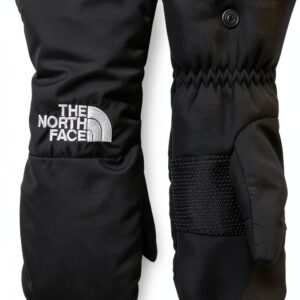
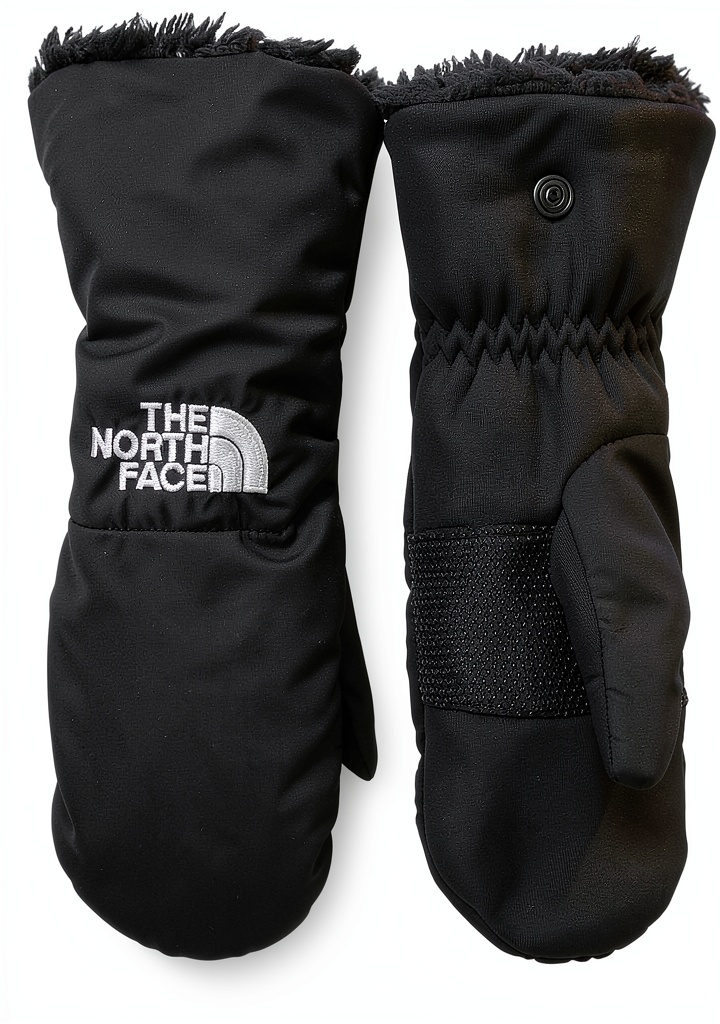
Upon first inspection, the Shasta Mitt feels noticeably more substantial than the $15-20 mittens you’d find at big-box stores. The recycled polyester shell has a tight weave that suggests decent durability, and the DWR (Durable Water Repellent) coating beads water effectively in light precipitation. However, I noticed the cuff construction uses a simpler elastic design rather than the more robust adjustable systems found on premium mittens.
The silicone palm dots provide a secure grip that proved valuable when my son was climbing snowy playground equipment or holding sled ropes. The stitching appears consistent throughout, though after three weeks of daily use, some minor fraying appeared around the thumb seam—something to watch for long-term.
Performance in Real Use
I tested these mittens across three specific scenarios that represent common use cases for most families:
Scenario 1: The 45-minute sledding session (25°F, moderate snow)
The mittens performed excellently here. The water resistance handled repeated snow contact without soaking through, and the insulation kept hands warm despite constant snow handling. The gauntlet cuff effectively blocked snow from getting inside—a common frustration with cheaper mittens. The touchscreen functionality worked perfectly when we needed to check the time or take photos.
Scenario 2: The school walk commute (15°F, windy conditions)
This revealed the mittens’ limitations. While the WindWall technology provided decent wind protection, the insulation felt insufficient for the 20-minute walk in these temperatures. My son reported cold fingertips by the time we reached school. The touchscreen still worked but required more pressure in the cold.
The touchscreen compatibility deserves special mention. Unlike many “touchscreen” mittens that require near-perfect contact or only work on certain devices, the Etip technology worked reliably on both iPhone and Android screens. It’s not as responsive as bare fingers, but it’s significantly better than removing mittens in cold weather.
Ease of Use
Young children struggle with complicated closures, and the Shasta Mitt’s simple pull-on design with elastic cuff works well for quick on/off transitions. The sizing, however, presents a challenge. The XX-Small (labeled for 4-5 years) fit my 7-year-old comfortably, suggesting they run large. This is problematic for online shoppers who can’t try before buying.
The mittens are easy for kids to put on independently—a crucial factor for school-aged children. The generous cut allows for layering thin gloves underneath for extra warmth, though this compromises dexterity.
Durability & Reliability
After three weeks of regular use, the mittens show minimal wear except for the previously mentioned thumb seam issue. The DWR coating has maintained its water-repellency despite not reapplying treatments. The insulation shows no signs of compression or cold spots developing.
However, the elastic cuffs have begun to show slight stretching, which could become a problem over a full season. Compared to premium options like Burton’s kids’ mittens, the Shasta Mitt uses less robust materials in high-stress areas.
Pros & Cons
What works well:
- Excellent touchscreen functionality that actually works in real conditions
- Good water resistance for typical snow play and winter precipitation
- Eco-friendly materials without significant performance trade-offs
- Comfortable fit with good mobility for most activities
- Reliable brand reputation with better quality control than generic brands
What needs improvement:
- Limited extreme cold performance below 20°F without layering
- Sizing inconsistencies that make online ordering risky
- Durability questions around cuff and seam construction
- Premium price point compared to basic alternatives
- Limited color options in some sizes
Comparison & Alternatives
Cheaper Alternative: Columbia Kids’ Glacier Mittens (~$25)
Columbia’s offering provides similar water resistance and warmth at a $10 lower price point. The trade-off comes in touchscreen functionality (less reliable) and overall durability. The Columbia mittens feel slightly bulkier and less refined, but for occasional winter use, they represent better value. Choose these if budget is primary concern and touchscreen use is minimal.
Premium Alternative: Burton Kids’ Gore-Tex Mittens (~$55)
At nearly double the price, Burton’s offering provides true waterproofing (not just resistance), superior insulation for extreme cold, and more durable construction throughout. The difference becomes apparent in wet conditions and extended use. The Burton mittens also feature a more sophisticated closure system that maintains seal better. Choose these for serious winter sports, very cold climates, or if you need maximum durability.
The North Face Shasta Mitt occupies the sweet spot between these options—better performance than budget choices without the premium price tag. It’s the right choice for families who need reliable performance for regular winter activities but don’t face extreme conditions daily.
Buying Guide / Who Should Buy
Best for beginners: If this is your first investment beyond basic department store mittens, the Shasta Mitt provides noticeable improvement in performance and features. The touchscreen compatibility alone justifies the upgrade for many families.
Best for specific needs: Families living in regions with moderate winters (typically above 15°F) who value sustainability and need reliable touchscreen access will find these mittens ideal.
Not recommended for: Children who participate in frequent winter sports or face extreme cold conditions regularly. The insulation and durability may not withstand heavy use in below-zero temperatures. Also not ideal for budget-conscious shoppers who only need occasional winter protection.
Sizing advice: Based on my testing, consider sizing down if your child is between sizes. The XX-Small comfortably fit my average-sized 7-year-old, despite being marketed for 4-5 year olds. If possible, try before buying or order from retailers with easy return policies.
FAQ
Are these mittens truly waterproof?
No, they’re water-resistant with DWR coating. They handle snow and light rain well but will eventually wet through in heavy precipitation or prolonged exposure to water.
How well does the touchscreen feature work?
Surprisingly well compared to most competitors. It requires slightly more pressure than bare fingers but works reliably on most smartphone screens. This is one of the Shasta Mitt’s standout features.
Can these be used for skiing or snowboarding?
For beginner lessons or occasional family trips, they’re adequate. For regular winter sports participation, consider dedicated ski mittens with better waterproofing and wrist protection.
How should I care for these mittens?
Follow The North Face’s care instructions carefully. Machine wash cold with similar colors, tumble dry low. Reapply DWR treatment periodically to maintain water resistance.
Is the $35 price justified?
For families who will use them regularly throughout winter, yes. The combination of reliable performance, touchscreen functionality, and eco-friendly materials justifies the premium over basic options. For occasional users, cheaper alternatives may suffice.