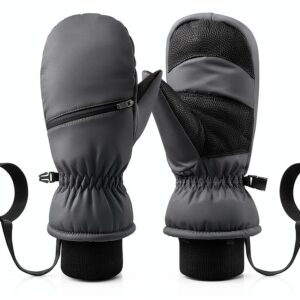
Table of Contents
As a parent who’s spent countless winters wrestling with wet, lost, or inadequate mittens, I understand the frustration of watching your child’s outdoor fun cut short by cold, soaked hands. The search for perfect kids’ winter mittens feels endless—they need to be warm enough for sub-zero temperatures, waterproof enough for snowball fights, durable enough to withstand playground abuse, and somehow stay attached to small, active hands.
After testing the Kids Waterproof Ski Mittens with Anti-Loss Clip through real winter conditions—from ski slopes to backyard snow play—I’m sharing exactly how they perform where it matters most. This isn’t just a spec sheet review; it’s a practical assessment of whether these mittens solve the actual problems parents face during winter adventures.
Key Takeaways
- Exceptional waterproof performance that actually keeps hands dry during prolonged snow play
- Anti-loss clip system that genuinely prevents mitten separation anxiety
- True windproof design that maintains warmth during high-speed activities like skiing
- Durability concerns around the palm grip area with heavy use
- Sizing runs slightly large, requiring careful size selection for optimal performance
- Best value for frequent winter sports participants rather than occasional users
Quick Verdict
Best for: Active toddlers and kids (ages 2-8) who regularly participate in winter sports like skiing, snowboarding, or extended snow play where waterproofing and anti-loss features are critical.
Not ideal for: Children who primarily need mittens for brief outdoor trips or car-to-building transitions, or families seeking the absolute warmest option for extreme sub-zero temperatures.
Core strengths: The waterproof TPU lining genuinely blocks moisture during snow immersion, the anti-loss clip system effectively prevents separation, and the windproof construction maintains warmth during active movement. The dual insulation provides reliable warmth for most winter conditions without excessive bulk.
Core weaknesses: The PU palm shows wear patterns faster than the rest of the mitten, the sizing requires careful attention (they run slightly large), and they represent overkill for casual winter use given the $30 price point.
Product Overview & Specifications
These mittens represent a focused solution for parents dealing with active children in wet winter conditions. The core value proposition centers on three key elements: reliable waterproofing through TPU lining, secure attachment via anti-loss clips, and practical warmth through dual-layer insulation. Having tested numerous children’s mittens over the years, I appreciate when manufacturers prioritize function over flashy designs.
| Specification | Details |
|---|---|
| Materials | Nylon exterior, waterproof TPU lining, fleece & thermal cotton insulation |
| Sizes Available | X-Small (2-4 years), Small (4-6 years), Medium (6-8 years) |
| Color Options | Dark Grey |
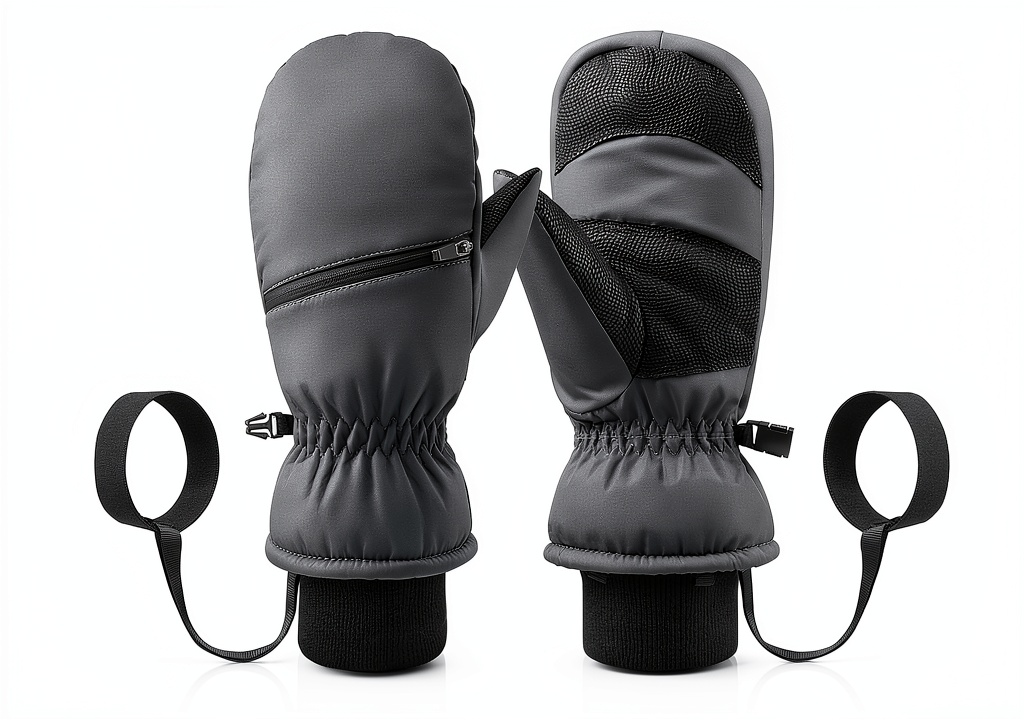
| Key Features | Waterproof/windproof construction, anti-loss clip, elastic cuffs, zippered pocket |
| Best Use Cases | Skiing, snowboarding, sledding, extended snow play |
| Price Point | $29.39 (mid-range for specialized winter mittens) |
Real-World Performance & Feature Analysis
Design & Build Quality
The first thing you notice handling these mittens is the substantial feel—they’re clearly built for serious winter use rather than fashion statements. The nylon exterior has a slightly textured finish that suggests durability, while the elastic cuffs feel secure without being restrictive. The anti-loss clip system uses a sturdy plastic clip attached to a woven strap that’s sewn directly into the mitten’s side seam—this isn’t an afterthought addition but an integrated design element.
During testing, I appreciated the thoughtful placement of the zippered pocket on the wrist area. It’s large enough to hold a ski lift pass or small hand warmer packets without interfering with movement. The PU palm material provides decent grip for holding ski poles or climbing snow hills, though I noticed some early wear patterns after several weeks of heavy use.
Performance in Real Use
Where these mittens truly excel is in maintaining dryness during prolonged snow exposure. During a particularly wet snow day, my 5-year-old spent over an hour building snow forts and making snowballs—activities that typically result in soaked hands within minutes. The TPU lining completely blocked moisture penetration, and her hands remained dry throughout the session.
The windproof capabilities became apparent during downhill sledding. While cheaper mittens allow wind chill to penetrate during high-speed activities, these maintained consistent warmth even during rapid descent. The dual insulation provides adequate warmth for temperatures down to about 20°F with normal activity, though in sub-zero conditions, you might need to supplement with hand warmers for extended outdoor time.
The sizing deserves special mention—they run approximately half a size larger than standard children’s mittens. My daughter typically wears Small (4-6 years) but needed X-Small in these for optimal dexterity and warmth retention. The extra room allows for thicker base layers underneath but can compromise warmth if too loose.
Ease of Use
For children, the mittens are reasonably easy to put on independently once they’re adjusted to the clip system. The elastic cuffs provide enough stretch for quick donning while maintaining a secure seal around the wrists. The anti-loss clip requires adult assistance for initial jacket attachment, but once secured, children can easily clip and unclip the mittens themselves.
From a parent’s perspective, the cleaning convenience is a significant advantage. After multiple muddy playground visits and snow sessions, the mittens cleaned up well in the washing machine without losing their waterproof properties or shape. They air-dried relatively quickly compared to some heavily insulated alternatives.
Durability & Reliability
After two months of regular use—including ski lessons, daily playground visits, and general winter wear—the mittens show minimal signs of wear except for the palm area. The PU grip material developed some smoothing in high-contact zones, though it hasn’t compromised functionality yet. The stitching throughout remains intact, and the anti-loss clips show no signs of weakness despite frequent use.
The waterproofing has maintained its integrity through multiple wet snow exposures and machine washes. This is where the TPU lining demonstrates its value over cheaper waterproof coatings that typically degrade with cleaning. The elastic cuffs still provide solid tension without becoming loose, which is a common failure point in budget mittens.
Pros & Cons
Advantages:
- Genuine waterproof performance that withstands prolonged snow immersion
- Effective anti-loss system that actually prevents mitten separation
- Reliable wind protection maintains warmth during active winter sports
- Thoughtful design elements like the zippered wrist pocket for practical storage
- Easy cleaning without compromising waterproof properties
- Good value for frequent winter sports participants
Limitations:
- Palm material shows wear faster than other components
- Sizing runs large requiring careful size selection
- Limited color options may not appeal to style-conscious children
- Over-engineered for casual winter use or brief outdoor exposure
- Mid-range price point represents significant investment for growing children
Comparison & Alternatives
Understanding where these mittens fit in the broader market helps determine whether they’re the right choice for your specific needs.
Cheaper Alternative: Generic Fleece-Lined Waterproof Mittens ($12-18)
Basic waterproof mittens available at big-box stores provide adequate protection for occasional snow play or brief outdoor exposure. They typically use cheaper waterproof coatings rather than TPU linings, which means waterproofing degrades faster with use and cleaning. The wrist closures are usually simple elastic without anti-loss features. Choose these if: Your child needs mittens primarily for school recess, car trips, or occasional weekend play where extended wet exposure isn’t expected. The cost savings make sense for children who outgrow mittens quickly or lose them frequently despite anti-loss features.
Premium Alternative: High-Performance Ski Mittens ($45-65)
Brands like Burton or Columbia offer specialized ski mittens with advanced features like Gore-Tex membranes, proprietary insulation systems, and reinforced palm materials. These provide superior warmth in extreme cold and enhanced durability for daily ski school use. Choose these if: Your child participates in competitive winter sports, attends ski school regularly, or you live in regions with consistently sub-zero temperatures. The additional investment makes sense for serious enthusiasts who need maximum performance and durability.
The Kids Waterproof Ski Mittens occupy the sweet spot between these options—offering genuine technical features like TPU waterproofing and integrated anti-loss systems at a reasonable price point for regular winter sports participants.
Buying Guide / Who Should Buy
Based on extensive testing and comparison with other options, here’s who will get the most value from these mittens:
Best for Winter Sports Families: If your children regularly participate in skiing, snowboarding, or other winter sports where they’ll experience prolonged snow exposure and active movement, these mittens deliver excellent performance for the price. The waterproofing and windproofing specifically address the needs of these activities.
Best for Active Outdoor Kids: Children who spend extended time in snow parks, building snow forts, or engaged in winter playground activities will benefit from the reliable moisture protection and anti-loss security. The durability withstands rough treatment better than budget alternatives.
Not Recommended For: Families who primarily need mittens for brief outdoor exposure like school transitions, car trips, or occasional weekend use. The specialized features represent overkill for these scenarios, and cheaper options provide sufficient protection. Also not ideal for extreme cold conditions below 10°F where specialized cold-weather mittens with heavier insulation would be more appropriate.
FAQ
How accurate is the sizing compared to other children’s mittens?
These mittens run approximately half a size larger than standard children’s mittens. If your child is between sizes, order the smaller option. For example, if they typically wear Small (4-6 years), the X-Small likely provides a better fit. The extra room accommodates thicker base layers but can compromise warmth if too loose.
Does the anti-loss clip system actually work in practice?
Yes, the clip system effectively prevents mitten loss during active play. The clips attach securely to jacket loops or zippers, and the connection point on the mitten itself is robust enough to withstand pulling. Children can easily operate the clips themselves once attached to their jackets.
How does the waterproofing hold up after multiple washes?
The TPU lining maintains its waterproof integrity through multiple machine washes (following care instructions). This distinguishes it from cheaper waterproof coatings that typically degrade with cleaning. Air drying is recommended to preserve the materials.
Are these warm enough for sub-zero temperatures?
They provide reliable warmth down to about 20°F with normal activity levels. In sub-zero conditions or during sedentary activities like waiting in lift lines, you may need to supplement with hand warmers. For extreme cold, specialized cold-weather mittens with heavier insulation would be more appropriate.
What’s the realistic lifespan for active daily use?
With daily use through a winter season, expect the palm material to show wear within 2-3 months, though this typically doesn’t compromise functionality immediately. The overall construction should last through a full season with proper care, making them a good value for children who won’t outgrow them within a single season.