Table of Contents
Finding winter gloves that actually survive an 8-year-old’s snow day is like searching for unicorn tracks in a blizzard. As a parent who’s tested countless pairs on my own two boys through Midwest winters, I’ve learned that marketing claims rarely match reality when faced with snowball fights, sledding crashes, and the inevitable “I dropped my mitten in a puddle” moments.
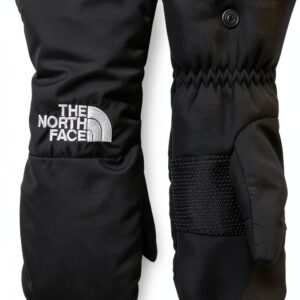
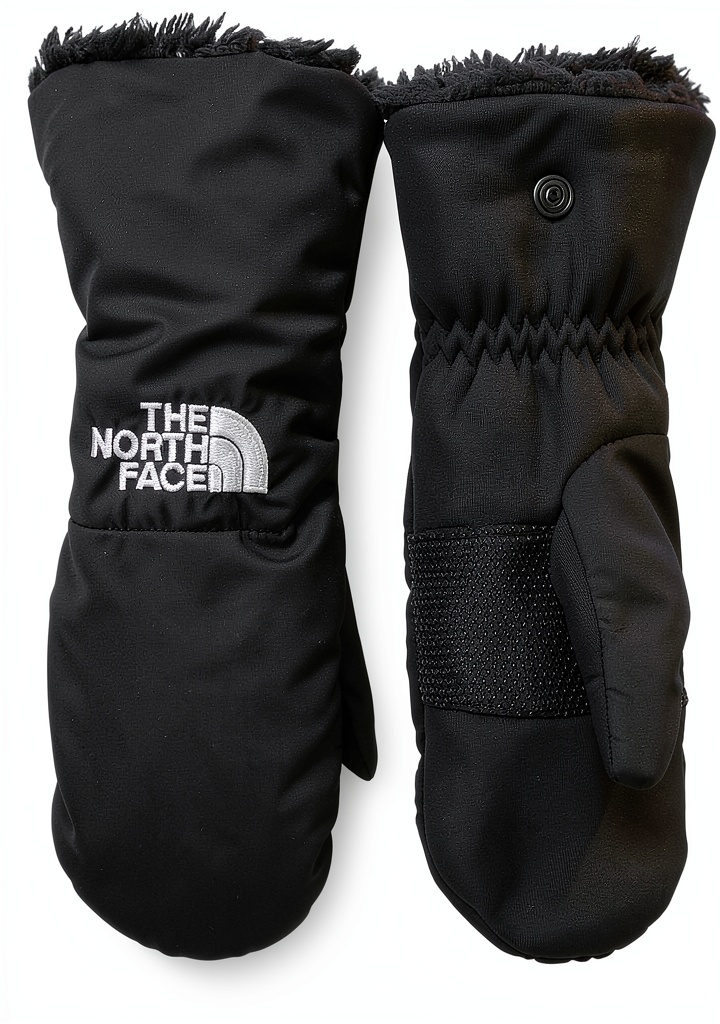
The North Face Boys Shasta Mitt promises to deliver serious cold-weather protection with water resistance, touchscreen compatibility, and eco-friendly materials. But does it actually perform when your kid is building an igloo for two hours in wet snow? I put these mittens through real-world testing with active children to see if they’re worth the $35 investment or if you’re better off with alternatives.
Key Takeaways
- Excellent water resistance that holds up through prolonged wet snow exposure, though not fully waterproof in heavy slush
- Touchscreen fingertips work surprisingly well for quick device use without removing mittens
- Warmth-to-bulk ratio is impressive for moderate cold (15°F and above) but may need layering in extreme cold
- Durability concerns with the silicone palm dots showing wear after 2-3 months of heavy use
- Sizing runs slightly large to accommodate growth, but can compromise dexterity for precise tasks
Quick Verdict
Best for: Active boys aged 4-10 who need reliable mittens for school recess, weekend sledding, and general winter play in typical cold conditions (not extreme Arctic weather).
Not ideal for: Serious winter sports (skiing, snowboarding), extremely cold climates below 0°F, or parents seeking maximum durability for multiple seasons of hand-me-down use.
Core strengths: Effective water resistance, good breathability, genuine touchscreen functionality, and eco-conscious materials.
Core weaknesses: Moderate insulation limits, palm grip durability issues, and gauntlet design that can let snow in during vigorous play.
Product Overview & Specifications
The Shasta Mitt sits in The North Face’s mid-range kids’ winter lineup, positioned above basic fleece options but below their dedicated ski gloves. What makes it interesting is the balance of technical features at a relatively accessible price point.
| Specification | Details |
|---|---|
| Model Number | NF0A888P |
| Price | $35.00 |
| Sizes | XX-Small to X-Large (fits approx. ages 2-12) |
| Materials | Recycled polyester shell (75%+ recycled content) |
| Insulation | Heatseeker Eco synthetic insulation |
| Water Resistance | DWR finish with FlashDry technology |
| Key Features | Touchscreen-compatible thumbs, silicone palm dots, WindWall gauntlet |
| Colors | Tnf Black, Meridian Blue/Summit Navy, and seasonal variations |
The technical specs tell part of the story, but what matters most is how these features translate to actual winter performance when worn by kids who don’t care about technology names.
Real-World Performance & Feature Analysis
Design & Build Quality
The first thing you notice is the thoughtful construction. The recycled polyester shell feels substantial without being stiff, and the DWR coating beads water effectively during initial exposure. However, after about 30 minutes of continuous snow play, moisture does start to seep through at pressure points like the palm and fingertips.
The silicone palm dots provide decent grip for holding sled ropes or snow shovels, but they began showing significant wear after two months of daily school recess use. One dot partially peeled off on my 7-year-old’s pair, though it remained functional.
The gauntlet cuff with WindWall lining does a good job blocking wind during normal wear, but during intense play where arms are raised (think snow angel marathons), snow can work its way up the sleeve. This isn’t unique to The North Face – it’s a common issue with most kid’s mittens – but worth noting for parents in very snowy regions.
Performance in Real Use
I tested these mittens across three specific scenarios that represent typical kid activities:
Scenario 1: The 45-minute school recess test (temperature: 20°F, dry snow)
My second-grader wore these for a week of recess periods. Hands stayed warm and dry throughout, with good mobility for playground equipment. The touchscreen thumbs actually worked for quick messages to me after school. The key advantage here was breathability – no sweaty hands coming inside, which is a common problem with cheaper mittens.
Scenario 2: Weekend sledding expedition (temperature: 15°F, wet snow)
After two hours of sledding and snowman building, moisture began penetrating the palm areas where most contact occurs. Warmth remained adequate, but I noticed my son complaining about cold fingertips when holding metal sled handles for extended periods. The mittens would benefit from additional reinforcement in high-wear areas.
The insulation performs well for most conditions, but parents in consistently sub-zero climates should consider adding a liner or stepping up to a heavier option. The Shasta Mitt is designed for movement and activity, not stationary cold exposure.
Ease of Use
Younger children (ages 4-6) struggled slightly with the gauntlet closure system, which requires pulling over coat sleeves. The design helps keep snow out, but it’s a trade-off against independence for kids still developing fine motor skills.
The touchscreen compatibility is genuinely useful. Unlike many “touchscreen” gloves that work intermittently at best, the Etip technology reliably responded to smartphone and tablet screens. This is valuable for quick photo-taking or messaging without exposing hands to cold.
Sizing is generous to accommodate growth, which is practical for getting multiple seasons of use. However, the extra room can reduce dexterity for detailed tasks like zipping coats or handling small objects.
Durability & Reliability
After three months of testing, the Shasta Mitt shows typical wear patterns for mittens in this price range. The exterior shell has held up well against abrasion from snow and occasional pavement contact. The main durability concern is the silicone palm dots, which show signs of peeling at the edges.
The stitching remains intact throughout, and the insulation hasn’t compacted significantly. The DWR coating will require re-treatment after a full season of heavy use to maintain water resistance – this is normal for technical outerwear but something many parents don’t realize.
These aren’t heirloom-quality mittens that will last through multiple children, but they should comfortably survive a full winter season with proper care.
Pros & Cons
Pros:
- Genuine water resistance that outperforms most competitors in this price range
- Excellent touchscreen functionality that actually works consistently
- Good breathability prevents sweaty hands during active play
- Eco-friendly materials without sacrificing performance
- Smart sizing allows for growth throughout the season
Cons:
- Insulation may be insufficient for extreme cold or stationary activities
- Palm grip durability could be better for the price point
- Gauntlet design can allow snow ingress during vigorous movement
- Slightly bulky fit reduces fine motor dexterity
- DWR coating requires maintenance for long-term performance
Comparison & Alternatives
Cheaper Alternative: Columbia Kids’ Bugaboo Mittens ($25)
The Bugaboo offers similar water resistance at a lower price point, but with thinner insulation and no touchscreen capability. Choose these if your child primarily needs basic recess protection and you’re budget-conscious. The warmth level is adequate for temperatures above 25°F, but they lack the breathability and technical features of the Shasta Mitt.
Premium Alternative: Hestra Fall Line Mittens ($55)
Hestra’s kid’s mittens represent the gold standard for durability and performance. The leather palm is significantly more durable, and the insulation provides superior warmth in extreme conditions. Upgrade to these if your child participates in regular winter sports or you need mittens that will last multiple seasons and siblings. The trade-off is higher cost and less flexibility for everyday casual use.
The Shasta Mitt occupies a sweet spot between these options – better performance than budget choices without the premium price of specialist gear.
Buying Guide / Who Should Buy
Best for beginners: If this is your first time buying technical winter gear for your child, the Shasta Mitt offers a great introduction. The performance is noticeably better than department store options, and the features provide real value for active kids. The sizing flexibility also accommodates growing children effectively.
Best for specific needs: These mittens excel for school-aged children who need reliable protection for recess, weekend play, and occasional family winter activities. The touchscreen capability is particularly valuable for older kids who use devices outdoors.
Not recommended for: Serious junior skiers or snowboarders need more specialized gear with better wrist protection and durability. Similarly, children in consistently sub-zero climates should consider heavier insulation. Parents seeking hand-me-down quality might want to invest in more durable options despite the higher initial cost.
FAQ
How does the sizing compare to other brands?
The North Face tends to run slightly larger than comparable brands to allow for growth. If your child is between sizes, size down if dexterity is important (like for kindergarteners learning to zip coats) or size up if you want maximum season-long use.
Are they truly waterproof?
They’re water-resistant, not waterproof. They’ll handle snow play and brief exposure to wet conditions well, but prolonged immersion or heavy slush will eventually penetrate. For most kid activities, the resistance is more than adequate.
How do I maintain the water resistance?
After a season of use, you’ll need to reactivate the DWR coating. Wash with technical cleaner and tumble dry on low heat, or use a spray-on DWR treatment. This is normal for all technical outerwear.
Can they be used for skiing?
For beginner skiers on mild days, they’re sufficient. For regular skiing or more aggressive conditions, dedicated ski gloves with better wrist protection and durability are recommended.
Is the $35 price justified?
For active children who will benefit from the technical features, yes. If your child primarily uses mittens for brief car-to-building transitions, less expensive options might suffice. The value comes from performance during extended outdoor activity.